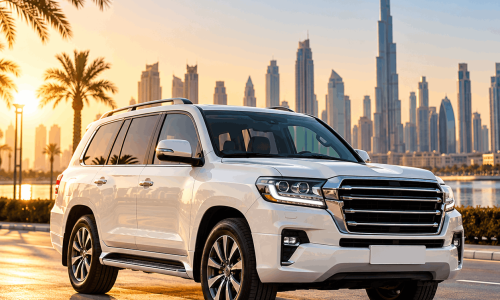
Dubai’s business landscape continues to evolve rapidly, and transportation remains a crucial part of day-to-day operations for companies of all sizes. Whether you run a start-up, an SME, or a large corporation, having reliable vehicles can significantly improve productivity, customer service, and overall operational efficiency across the board. However, one important question many businesses face in 2026 is whether long term car rental Dubai solutions are the smarter strategic choice — or whether investing in purchasing an entire fleet outright makes better financial sense. While buying vehicles may appear to be a solid long-term investment, it also involves significant upfront capital expenditure, ongoing maintenance responsibilities, insurance management, and unavoidable depreciation that quietly erodes asset value year after year.
Long term car rental Dubai packages, on the other hand, have become an increasingly popular and financially sound solution for businesses of every size — offering outstanding flexibility, predictable monthly expenses, and far simpler fleet management without the burden of ownership. If you are evaluating the best transportation strategy for your business in 2026, understanding the true advantages and limitations of both options will help you make a fully informed and confident financial decision.
Why Are Businesses Rethinking Fleet Ownership in 2026?
Economic conditions, changing business models, and technological advancements have encouraged companies to reconsider traditional fleet ownership. Businesses today value flexibility more than ever. Market demands can change quickly, and committing large amounts of capital to vehicle purchases may limit opportunities for growth elsewhere.
Many companies now prefer solutions that reduce financial risk while ensuring employees always have access to reliable vehicles. This shift has made long term car leasing Dubai an increasingly attractive option for organizations seeking predictable operating costs without sacrificing mobility.
The Cost Difference: Leasing vs Buying
One of the biggest deciding factors is overall cost.
Buying a Fleet
Purchasing company vehicles requires a substantial initial investment. Businesses must pay either the full purchase price or a sizeable down payment if financing is involved. Beyond the purchase itself, ownership includes expenses such as:
- Registration fees
- Insurance
- Regular servicing
- Repairs
- Tire replacements
- Unexpected maintenance
- Vehicle depreciation
Although the vehicles become company assets, their value starts decreasing almost immediately after purchase.
Leasing Vehicles
Long-term leasing usually requires a much smaller upfront payment. Businesses instead pay fixed monthly installments throughout the lease agreement. Many leasing packages also include:
- Scheduled maintenance
- Roadside assistance
- Registration renewal
- Replacement vehicles during servicing
- Warranty support
This allows companies to forecast transportation expenses much more accurately.
Cash Flow Matters More Than Ever
Cash flow is one of the most valuable resources for any growing business. Purchasing multiple vehicles ties up a significant amount of capital that could otherwise be invested in:
- Business expansion
- Marketing campaigns
- Hiring skilled employees
- Technology upgrades
- Inventory
Leasing allows businesses to preserve working capital while still maintaining access to dependable transportation. Instead of spending millions on vehicle purchases, companies can spread transportation costs across manageable monthly payments.
The Hidden Cost of Vehicle Depreciation
Depreciation is often overlooked when comparing leasing and buying. Most vehicles lose a significant percentage of their value within the first few years of ownership. Even if a company carefully maintains its fleet, resale prices rarely recover the original investment. When businesses purchase vehicles, they assume all depreciation risk.
With leasing, depreciation is typically the responsibility of the leasing provider. Businesses simply return or upgrade the vehicles once the agreement ends, avoiding concerns about resale value.
Maintenance Responsibilities
Fleet maintenance can become a major operational challenge. As vehicles age, repair costs generally increase. Companies that own their fleet must manage:
- Service schedules
- Repair appointments
- Spare parts
- Unexpected breakdowns
- Replacement vehicle arrangements
These responsibilities require additional administrative time and resources. Many leasing providers simplify this process by including maintenance packages that keep vehicles operating efficiently throughout the lease period.
Access to Newer Vehicle Models
Driving modern, well-maintained vehicles creates a more professional impression for customers, partners, and clients. Companies that purchase vehicles often keep them for many years to maximize their investment. Unfortunately, this means operating older models that may lack the latest safety features and fuel efficiency improvements. Leasing allows businesses to upgrade more frequently, ensuring employees drive newer vehicles equipped with advanced technology and improved performance.
Flexibility for Business Growth
Business needs rarely remain the same. A company may require:
- More vehicles during expansion
- Different vehicle sizes
- Commercial vans instead of passenger cars
- Executive vehicles for management
- Temporary fleet increases for projects
Owning vehicles limits flexibility because buying and selling fleet assets takes time. Leasing agreements often provide options to scale fleets according to changing business requirements, making it easier to adapt without major financial commitments.
Tax and Accounting Considerations
Although tax regulations vary depending on business structure and jurisdiction, leasing often provides accounting advantages. Monthly lease payments are generally easier to budget than irregular maintenance and repair costs associated with ownership. Businesses should always consult financial advisors regarding the accounting treatment most suitable for their circumstances, but predictable operating expenses remain one of leasing’s strongest advantages.
Administrative Convenience
Managing a purchased fleet involves numerous administrative responsibilities, including:
- Insurance renewals
- Registration updates
- Maintenance records
- Accident management
- Warranty claims
- Disposal of aging vehicles
For businesses operating multiple vehicles, these tasks can consume valuable management time. Leasing providers often handle many of these responsibilities, allowing companies to focus more on their core business activities.
When Buying Makes More Sense
Despite the growing popularity of leasing, purchasing still has advantages for certain organizations. Buying may be the better option when:
- Vehicles will be used for many years.
- Annual mileage is extremely high.
- Extensive vehicle modifications are required.
- The business prefers asset ownership.
- Long-term operating costs outweigh leasing expenses.
Companies with stable transportation requirements and sufficient capital may benefit from outright ownership over an extended period.
When Long-Term Leasing is the Better Choice
Leasing is particularly beneficial for businesses that:
- Want predictable monthly costs.
- Prefer lower upfront investment.
- Frequently upgrade their vehicles.
- Wish to avoid depreciation risks.
- Need flexible fleet sizes.
- Value maintenance-inclusive packages.
- Want minimal administrative burden.
For growing businesses, leasing often provides the ideal balance between operational efficiency and financial flexibility.
Which Option Is Right for Your Business in 2026?
There is no universal answer because every company has different financial goals, operational requirements, and growth plans. Businesses focused on preserving capital, reducing administrative responsibilities, and maintaining modern vehicles often find leasing to be the more practical solution. Meanwhile, organizations with long-term fleet stability and sufficient financial resources may benefit from purchasing their vehicles outright. Before making a decision, it is important to evaluate the total cost of ownership rather than simply comparing monthly payments or purchase prices.
Working with a trusted provider offering car lease UAE solutions can help businesses compare available plans, understand contract terms, and choose vehicles that align with their operational needs. Likewise, companies exploring broader mobility options across the car rental UAE market should assess service quality, maintenance support, and fleet flexibility alongside pricing.
Choosing between long term car rental Dubai solutions and buying a fleet outright in 2026 is about far more than simply acquiring vehicles — it is about selecting a transportation strategy that actively supports your company’s financial health, operational agility, and long-term growth ambitions. While purchasing offers the appeal of full ownership and potential long-term asset value, it also comes with significantly higher upfront capital costs, inevitable depreciation, and the ongoing burden of maintenance and fleet management responsibilities that demand time, resources, and expertise. Long term car rental Dubai packages, on the other hand, provide businesses with greater financial flexibility, fully predictable monthly expenses, and consistent access to newer, well-maintained vehicles — all with far fewer administrative demands weighing on your team. By carefully evaluating your budget, operational requirements, and long-term business objectives against what each option truly delivers, you can make a confident, informed decision that keeps your business moving efficiently in 2026 while maximizing the overall value of every dirham invested in your transportation strategy.